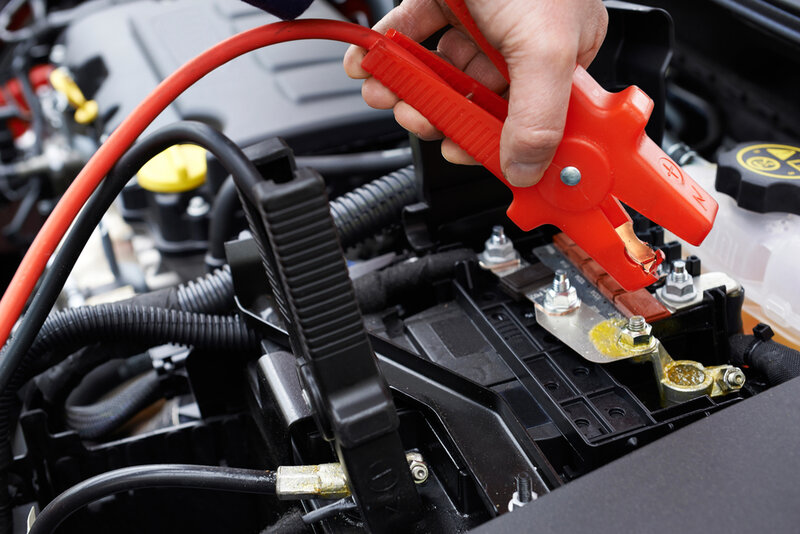
When you’re stranded with a dead battery, the quality of your jumper cables can mean the difference between a quick restart and a lengthy ordeal. You’ll need to take into account several critical factors before purchasing a set, as not all jumper cables are created equal. From the gauge thickness that determines power flow to the clamp design that guarantees safe connections, each feature plays an essential role in the cables’ effectiveness. Understanding these key elements won’t just help you make a better purchase - it could prevent damage to your vehicle’s electrical system and keep you safe during roadside emergencies.
When choosing jumper cables, gauge size plays a critical role in their effectiveness and safety. You’ll find that lower gauge numbers indicate thicker wires, which allow more power to flow between vehicles.
For most standard cars, 4-gauge cables offer a perfect balance of performance and cost, while heavy-duty vehicles like trucks may require 2-gauge or even 1-gauge cables. Longer cables provide flexibility when parking arrangements are awkward.
Don’t be tempted to save money with smaller 10-gauge cables, as they won’t provide reliable power transfer for completely dead batteries. Instead, invest in copper cables with proper gauge thickness, as they’re more conductive and durable than aluminum alternatives.
Look for cables with high-quality copper connections at the alligator clips to guarantee peak power transfer and reduce the risk of poor connections.
You’ll need jumper cables at least 10 feet long for standard vehicle-to-vehicle jump-starts when cars are facing each other.
While 20-foot cables offer more flexibility for various parking scenarios and easier positioning, they’ll require more storage space in your vehicle.
Consider your typical parking situations and available trunk space when choosing between standard 10-foot cables and longer options up to 25 feet. Selecting cables longer than 25 feet may require thicker gauge wire to maintain effective power transfer.
Selecting the right jumper cable length is essential for a successful jump start. You’ll need at least 10-foot cables if you’re positioning vehicles face-to-face, which works for most basic situations.
If you can’t get the vehicles close together, opt for 20-foot cables to guarantee you can reach both batteries. Higher gauge cables are recommended for standard vehicles to ensure effective power transfer.
While longer cables provide more flexibility in positioning vehicles, they’re also heavier and take up more storage space. For maximum versatility, consider 15-foot cables as they offer a good balance between reach and manageability.
If you frequently encounter challenging parking situations or need to jump-start vehicles in tight spaces, 25-foot cables might be worth the extra bulk. Just remember that cables shorter than 10 feet are only practical when vehicles can be positioned extremely close together.
Although proper vehicle positioning is essential for jump-starting, choosing the right cable length makes this task considerably easier. You’ll want at least 10 feet of cable when vehicles are facing each other, but if you need to jump-start vehicles parked one behind the other, opt for a 20-foot set.
Consider how you’ll typically use your cables. Longer cables give you more flexibility in positioning and make alignment simpler, but they’re also heavier and pricier. Solid copper clamps provide the best electrical conductivity for reliable starts.
When positioning vehicles, keep them about 18 inches apart to prevent contact while ensuring the cables aren’t stretched too tight. Remember that your choice should account for engine type, vehicle size, and storage space.
Whatever length you choose, don’t compromise on wire thickness or insulation quality - these are vital for safety and efficiency.
The right cable length directly affects your storage options and overall convenience.
While 20-foot cables offer flexibility for various parking configurations, they’re bulkier and require more storage space. You’ll find 10-foot cables easier to store but less versatile for different scenarios.
Choose copper cables over aluminum for better handling and conductivity.
Store your cables in a clean, dry space like your spare tire compartment or in sealed plastic bags to prevent deterioration. If you opt for longer cables, you’ll need dedicated storage solutions to keep them organized and accessible. For a more organized approach, consider a compact jump starter that eliminates tangled cables entirely.
Consider how the cable’s insulation thickness impacts storage – thicker insulation provides better protection but takes up more space.
Ultimately, you’ll want to balance the practical benefits of longer cables against your available storage space.
When choosing jumper cables, robust clamp design and quality serve as critical factors for both safety and effectiveness.
Premium options like pure copper jaws provide optimal power transfer and durability for professional-grade performance. You’ll want clamps made from solid copper with heavy-duty spring mechanisms to guarantee secure attachment to battery terminals. Look for alligator-style clamps with teeth that provide a strong grip, and make sure they’re protected by thick PVC or rubber insulation.
Choose clamps with higher amperage ratings if you’re working with larger vehicles, and verify they’ve corrosion-resistant coatings. Smart clamps with polarity detection offer added safety features you shouldn’t overlook.
You’ll also benefit from ergonomic handles that make the clamps easy to grip and operate. Remember to regularly inspect your clamps for wear and tear to maintain their reliability and safety over time.
Understanding wire materials and conductivity plays an essential role in selecting effective jumper cables. When choosing between materials, copper stands out as your best option due to its superior conductivity and durability.
While copper-clad aluminum (CCA) cables might cost less, they only provide 61% of copper’s conductivity and are more prone to breaking. High DC currents flow through the entire conductor core, not just the surface, making CCA’s copper coating ineffective for boosting operations.
You’ll also need to take into account wire gauge, which affects how much power can safely flow through the cables. If you’ve got a larger vehicle, opt for 2-gauge or even 1-gauge cables to guarantee sufficient power transfer.
Don’t compromise on thickness - thinner wires can overheat and fail when you need them most. For maximum safety and reliability, look for cables with thick insulation and multi-stranded wire construction, as these features enhance flexibility and performance.
Your jumper cables need robust insulation that protects against extreme temperatures from -40°F to 167°F to guarantee safe operation year-round.
Weather-resistant coatings made from EPR or neoprene shield the cables from moisture, oil, and environmental damage that could compromise their performance. With a 15kV rating, these cables provide superior protection for high-voltage applications.
The multi-layer shielding design, including semiconducting shields and thick outer jackets, provides essential protection against electrical hazards while maintaining the cables’ flexibility and durability.
Modern jumper cables feature advanced insulation systems that protect against extreme temperatures ranging from -55°C to +135°C.
You’ll find these cables use specialized EPR low temperature unipass orange CV cured jackets that maintain flexibility even in harsh winter conditions, preventing brittleness and breakage when you need them most.
The cables’ high-temperature performance is equally impressive, with UL and CSA ratings up to 105°C for MTW applications.
You’re protected by multiple layers of insulation, including PVC and adhesive-lined irradiated polyolefin heat shrink, which work together to maintain a dielectric strength of 500 V/mil.
This robust insulation system guarantees your jumper cables won’t fail during temperature extremes, keeping you safe while delivering reliable performance in any weather condition. The dual wall adhesive heat shrink provides additional protection against strain and corrosion in challenging environments.
When selecting jumper cables, high-quality insulation materials serve as your primary defense against electrical hazards and weather-related damage.
You’ll want to look for cables with EPR jackets that offer superior flexibility and durability while preventing superheated arcs and electrical shocks.
Your cables should feature weather-resistant coatings that can withstand oil, heat, moisture, ozone, and abrasion. These coatings maintain performance in extreme temperatures -55C to 105C.
While plastic handles might become brittle in cold weather, rubber-coated or hybrid handles provide reliable insulation year-round.
Check that the cable jackets are properly embossed with conductor size and kV ratings, and verify they meet ASTM F2321 standards and UL/CSA certifications.
These markings aren’t just formalities - they’re your assurance that the insulation will perform safely under harsh conditions and extend your jumper cables’ lifespan.
Beyond weather resistance, multi-layer shielding stands as the next line of defense in jumper cable safety.
You’ll want to look for cables that incorporate combination shields, typically featuring both braided and foil layers, as they provide 100% coverage against electrical interference. This multi-layer approach helps protect you from potential hazards while ensuring reliable power transfer.
Quality shielding materials should be thermally stable and flexible enough for easy handling in various weather conditions.
When examining jumper cables, check that they meet UL and CSA safety standards, which indicate proper electrical stress protection and heat resistance.
The best designs will include individually shielded conductors wrapped in an overall shield, maximizing both safety and performance while preventing signal interference between the positive and negative leads.
Selecting the right storage solution for your jumper cables can greatly impact their longevity and accessibility. When choosing jumper cables, look for options that come with carrying cases or integrated cable organizers to keep them neatly stored in your vehicle’s trunk or storage compartment.
You’ll want to balance portability with functionality by choosing cables between 10-25 feet in length. Consider cables made from durable, heavy-gauge materials that include soft handles for comfortable transport.
If you’re storing them long-term, opt for waterproof and dust-resistant cases that can protect against extreme temperatures and environmental factors. For maximum convenience, look for storage solutions with cable wrappers or built-in organizers to prevent tangling and make your jumper cables easily accessible when you need them.
You’ll need thicker 1-gauge or 2-gauge cables for heavy-duty vehicles like semi-trucks, while 4-gauge or 6-gauge cables work well for standard passenger cars.
When it comes to cable length, you can get by with 10-foot cables if you’re only jumping vehicles parked face-to-face.
For maximum flexibility in different parking situations, you’re better off with 15-20 foot cables that let you reach batteries regardless of vehicle position.
The right gauge size for jumper cables depends heavily on your vehicle’s weight classification and power requirements.
For most cars and light trucks under 8,500 lbs, you’ll need 4-6 AWG cables that can handle 50-100 amps. If you’ve got a high-performance vehicle, consider 2 AWG cables rated for up to 150 amps.
For medium-duty vehicles between 8,501-19,500 lbs, you’ll want thicker cables ranging from 2 AWG to 1/0 AWG, which can handle 150-250 amps.
Heavy-duty vehicles over 19,500 lbs require at least 1/0 AWG cables, with some needing up to 3/0 AWG for extreme applications.
Your battery type also matters - while standard batteries work well with 6 AWG cables, larger or high-performance batteries may need 2 AWG or thicker cables.
Proper cable length plays an essential role in successful jump-starting operations.
You’ll need different lengths depending on your specific vehicle and common scenarios. For standard passenger cars facing each other, 10-foot cables will work well. If you’re often helping others or dealing with varied parking situations, opt for 15 to 20-foot cables for better flexibility.
For larger vehicles like trucks and RVs, you’ll want at least 20 to 25-foot cables to accommodate their size.
While longer cables offer more versatility, they’re also heavier and more expensive. Keep in mind that longer lengths can increase electrical resistance and heat buildup, especially with high current flow.
If you’re unsure, 20-foot cables provide a good balance between versatility and practicality for most situations.
Quality jumper cables require thorough weather resistance ratings to guarantee reliable performance across extreme conditions.
You’ll want cables that can withstand temperatures from -55°C to 105°C, ensuring they’ll work whether you’re in Alaska’s sub-zero climate or intense summer heat. Look for cables that maintain flexibility in deep cold while resisting high-temperature degradation.
Your cables should also feature extensive protection against environmental factors. Check for resistance to UV rays, moisture, chemicals, and physical wear.
The best cables use 100% copper conductors and include heat-shrink sealing at the ends to prevent corrosion. Make sure they’re UL/CSA compliant and meet SAE automotive standards.
An extruded polarity stripe that won’t wear off and proper insulation are essential safety features for long-term reliability.
When handling jumper cables in emergencies, secure grips and reliable connections become critical safety features you can’t overlook.
You’ll want to choose cables with thick rubber-coated handles that provide non-slip grip and protection against electrical shock, especially in wet conditions.
Look for alligator clamps with sharp teeth and strong springs that firmly grasp battery terminals. The clamps should maintain consistent pressure to prevent disconnection during use.
You’ll also benefit from ergonomically designed handles that fit naturally in your hand, reducing fatigue and allowing you to apply proper pressure when securing connections.
To maximize the lifespan of your jumper cables, you’ll need to focus on both material quality and storage practices. Choose cables made with copper rather than aluminum, as they offer superior conductivity and durability.
Look for thicker cables with lower gauge numbers and robust insulation to guarantee reliable performance over time. Store your cables in a cool, dry place to prevent deterioration and regularly check for signs of wear, such as cracked insulation or corroded clamps.
You’ll extend their life by using them only for jump-starting vehicles, not for prolonged charging. Avoid letting the cables overheat during use and prevent accidental contact with metal surfaces. Remember that proper handling plays an essential role - don’t strain the cables by yanking them and keep them neatly coiled when not in use.
