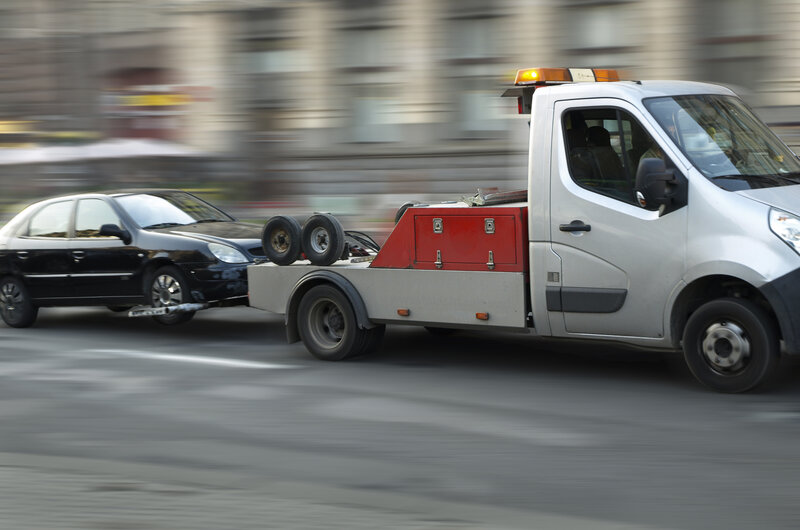
When your vehicle breaks down, you’ll need to make a quick decision about the best towing method to get it to safety. While both wheel lift and flatbed towing can get the job done, choosing between them isn’t always straightforward. You’ll want to take into account your vehicle’s specifications, the distance to your destination, and potential risks to your car’s components. Making the wrong choice could lead to unnecessary damage or expenses, but understanding the key differences between these methods will help you make an informed decision that protects both your vehicle and your wallet.
When you’re faced with a vehicle breakdown or need to transport a car, understanding the key differences between wheel lift and flatbed towing methods can help you make the right choice.
Flatbed towing involves lifting your entire vehicle onto a flat platform, keeping all four wheels off the ground. This method offers superior protection and safety but comes at a higher cost. Light-duty tow trucks utilizing flatbed towing are ideal for luxury vehicles and provide excellent versatility.
In contrast, wheel lift towing partially lifts your vehicle by its front or rear wheels while the other end remains on the ground. It’s a more affordable and maneuverable option, making it ideal for shorter distances and accessible spaces.
Your choice between these methods should depend on factors like vehicle condition, type, distance, and budget constraints.
If you’re looking for a cost-effective towing solution in busy urban areas, wheel lift towing offers significant advantages over traditional flatbed services.
You’ll appreciate the quick response times and easier maneuverability through congested city streets, as wheel lift trucks can navigate tight spaces more effectively. Their specialized hydraulic arms make them versatile enough to safely recover various vehicle types, from cars to light trucks.
The lower operational costs and faster service times of wheel lift towing typically result in more affordable rates for customers.
Because wheel lift towing requires less specialized equipment and smaller trucks, it’s a cost-effective solution for urban towing needs.
The quick loading process and systematic operation allow for efficient vehicle retrieval.
You’ll appreciate the lower operational costs and reduced fuel consumption compared to flatbed trucks, making it particularly economical for short-distance tows.
In tight urban environments, wheel lift towing proves invaluable.
You can navigate narrow streets, access parking garages, and maneuver through congested areas that larger flatbed trucks can’t reach.
This accessibility is vital when you need to retrieve vehicles from tight spaces in densely populated areas.
Additionally, you’ll find that wheel lift towing is gentler on your vehicle.
It protects low-hanging parts and delicate suspension systems by distributing weight evenly, making it an ideal choice for most lightweight cars and front-wheel drive vehicles in urban settings.
While emergency situations demand swift action, wheel lift towing delivers unmatched response times through its streamlined setup process.
You’ll find that operators need minimal equipment and can position the lift under your vehicle’s wheels quickly, without complex chains or rigging.
This rapid deployment is essential when you’re dealing with roadside emergencies. The faster setup means tow trucks can clear accident scenes more efficiently, reducing the risk of secondary collisions and keeping other drivers safe.
When your vehicle is stranded in urban areas or parallel-parked spaces, wheel lift towing’s quick response capability becomes particularly valuable. The system’s simplicity allows operators to extract your vehicle swiftly, minimizing traffic disruption and hazards to other road users, especially in time-sensitive situations.
Though traditional towing methods have their place, flatbed towing offers superior protection and versatility for your vehicle. Your car’s wheels, suspension, and drivetrain remain completely safe as it’s lifted entirely off the ground, eliminating road contact and preventing additional mileage.
You’ll find flatbed towing particularly valuable if you own a luxury vehicle, sports car, or any automobile with low ground clearance. The hydraulic lift system guarantees smooth loading and unloading, while secure fastening keeps your vehicle stable throughout transport. Multiple vehicles can be transported simultaneously on a flatbed truck, making it a cost-effective solution for dealerships and auto transport companies.
Whether you’re moving across state lines or heading to a repair shop, you won’t have to worry about damage from road debris, potholes, or mechanical stress. For specialty vehicles and long-distance transport, flatbed service provides unmatched peace of mind and protection.
Several key factors influence the cost of your towing service choice. If you’re on a tighter budget, wheel lift towing is typically your more affordable option, especially for shorter distances and lighter vehicles.
However, your vehicle’s condition and specific needs will ultimately determine the most cost-effective choice.
Oversized commercial vehicles often require specialized flatbeds for safe transport. Flatbed towing costs more due to its specialized equipment and complexity, particularly for larger vehicles or longer distances.
You’ll also pay more for after-hours service, additional assistance like winching, or complex recovery situations. The cost difference becomes more significant when you’re dealing with damaged vehicles or difficult access locations.
When comparing costs, consider your vehicle’s drivetrain, size, and the distance you need to travel.
Remember that the availability of services in your area can also affect pricing.
Because safety remains paramount in towing operations, both wheel lift and flatbed methods require specific protection measures to safeguard vehicles and operators.
When choosing between these methods, you’ll need to evaluate your vehicle’s specifications and the towing distance. Modern tow trucks can handle up to 20,000 pounds, depending on their equipment type.
Flatbed towing offers superior protection since your entire vehicle rests securely on the platform, eliminating wheel contact with the road. It’s particularly ideal for low-clearance or all-wheel-drive vehicles.
While wheel-lift towing can be effective, it requires precise weight distribution and careful vehicle securement to prevent damage.
Your tow operator should always wear proper safety gear and maintain situational awareness. They’ll need to check weight limits, verify proper load balance, and follow established protocols.
Regular equipment inspections and maintenance are essential for safe towing operations, regardless of the method chosen.
When deciding between wheel lift and flatbed towing, you’ll need to contemplate both distance requirements and available space at your location.
For long-distance transport, flatbed towing offers superior protection and safety, making it ideal for dealership deliveries or auction house transfers. However, if you’re moving your vehicle just a few miles, wheel lift towing provides a cost-effective solution with options like the 5 Series system starting at just $7,995.
Space considerations will also influence your choice. If you’re in a tight urban area with narrow streets, wheel lift towing is your best bet since these trucks can maneuver in confined spaces.
Flatbed trucks need more room to operate, requiring additional clearance for loading and unloading. They’re particularly useful if your vehicle has low ground clearance or needs to be completely lifted off the ground.
Making your final choice between wheel lift and flatbed towing comes down to four key factors: cost, vehicle compatibility, safety requirements, and specific towing needs.
If you’re looking to save money and need a tow for a short distance, wheel lift towing might be your best option, especially if you’re driving a front-wheel-drive sedan or compact car. Wheel lift towing excels in tight space maneuverability compared to other methods.
However, if you’ve got an all-wheel-drive vehicle, low ground clearance, or need to transport your car in bad weather conditions, you’ll want to opt for flatbed towing.
While it costs more, it offers better stability and security, reducing the risk of damage to your vehicle’s drivetrain and suspension during transport.
