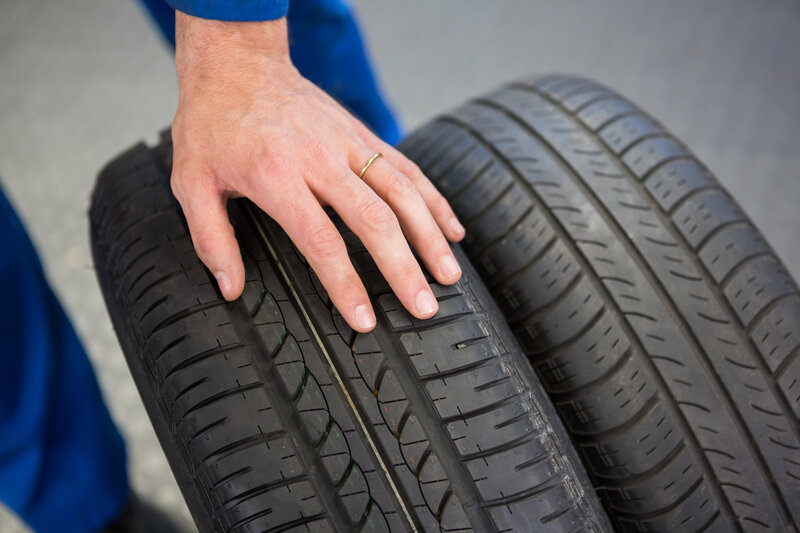
Tire maintenance and timely replacement is essential for tire safety. According to the National Highway Traffic Safety Administration (NHTSA), there were 612 fatalities linked to tire safety issues in 2019. In their Tire Wise brochure, the NHTSA also shares that:
Don’t let a lapse in tire maintenance cause an accident for you or a loved one. And, take heart! Keeping up on tire maintenance saves you money. Not only will you reduce the number of times you invest in tire repair or replacement, driving on properly maintained and inflated tires
Here are five essential tire maintenance and safety tips to help you avoid unnecessary roadside delays or life-altering accidents.
A tire inspection requires only a handful of minutes. These are important for any driver, especially those who commute long distances or live in exceptionally cold or dry climates. Temperature fluctuations and humidity levels impact tire rubber, so anyone living in an extreme climate must pay extra special attention.
During the tire insection you should:
You can fill your tires at almost any gas station or take your car to the garage that performs your oil changes. Odds are they’ll fill ‘em up for free.
Tire rotation recommendations are provided by manufacturers and are considered a routine part of vehicle maintenance. Most recommend a tire rotation every 5000 to 7000 miles to keep the tires wearing evenly. Since most newer cars have a similar mileage recommendation for oil changes, we recommend tag-teaming the process. Use the oil change shop’s sticker stating your next change window as your guide, and then schedule a tire rotation when you reach that mileage. Rotating the tires is an affordable process (typically ranging from $30 to $75), and it has exponential savings benefits.
Wheel alignment ensures tires wear as evenly as possible and that your car’s steering wheel action is calibrated, so you head straight when the wheel is straight. If you op to rotate your car tires or have a neighbor do it for you, you should still schedule an appointment to verify the wheel alignment at a local tire shop every 10,000 to 12,000 miles.
If you feel your car is pulling left or right when the wheel is straight, this is also a sign they are out of alignment, and it’s time to have it adjusted by a mechanic.
Cars manufactured after 2007 have built-in tire pressure monitoring systems (TPMS). However, the sensors don’t send the message and illuminate the dashboard symbol until tires are already 25% below the recommended PSI. That means you’re already driving on underinflated tires, which are responsible for about 33,000 traffic accidents each year.
If your car’s TPMS lights up the low tire symbol, which typically looks something like this ( ! ), get to a gas station or tire shop as soon as you can to inspect the tires and inflate them.
In case monthly tire inspections miss something, there are other warning signs and sounds indicating a potential tire problem.
Don’t wait or hope for the best. Any of these signs or sounds should be evaluated as soon as possible at a tire shop or your preferred mechanic.
The team at J&T Towing wishes all of our customers safe and stress-free travels. If, however, you find yourself on the side of a Bay Area road or highway, give us a call at (707) 356-4613, and we’ll send a technician out ASAP.
