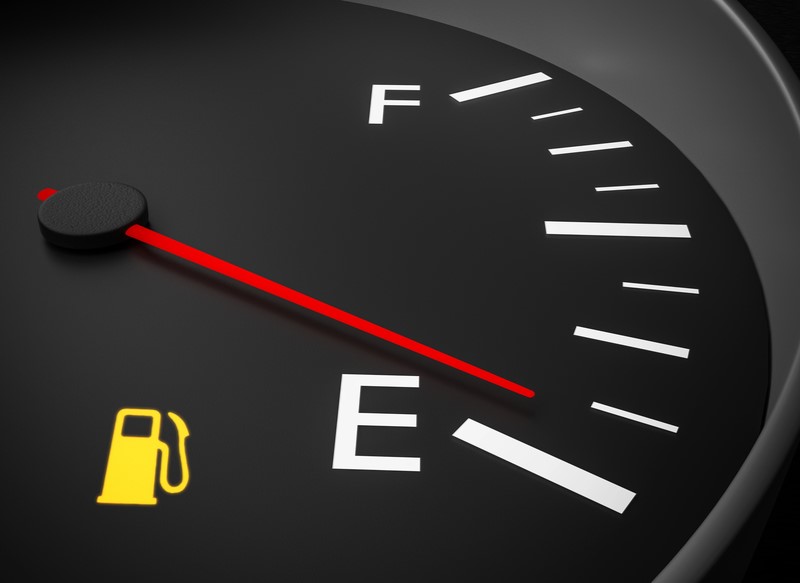
You’ve probably noticed that warning light on your dashboard countless times, beckoning you to find the nearest gas station. While it might seem convenient to wait until the last possible moment to refuel, this common habit can silently damage your vehicle and leave you stranded when you least expect it. From fuel pump strain to sediment buildup, running on empty creates a cascade of potential problems that could cost you considerably more than a timely fill-up. Before you dismiss that quarter-tank mark on your gauge, consider what’s really at stake for your engine and your wallet.
While a fuel gauge may seem like a simple instrument, it’s actually a sophisticated system of interconnected components working together to keep you informed about your fuel level.
Your gauge relies on two main parts: a sensing unit in your fuel tank and an indicator on your dashboard.
Inside your tank, a float switch moves up and down with the fuel level, sliding along a resistor to create varying levels of electrical resistance. As your fuel level changes, so does the current flowing through this system.
When you’ve got a full tank, more current flows through, and when you’re running low, less current passes through. The indicator then measures this current and displays your fuel level accordingly. The system also includes a low fuel warning light that activates when levels become critically low.
However, factors like temperature and aging components can affect your gauge’s accuracy.
Although refueling may seem like a routine task, it carries significant hidden risks that many drivers overlook. Static electricity from your clothing or seat can create dangerous sparks near fuel vapors, potentially causing fires that lead to severe injuries. NFPA data shows that vehicle fires account for 56% of all fuel station accidents.
You’ll also risk damaging your car’s sophisticated emission control systems if you top off your tank. Your vehicle’s onboard refueling vapor recovery system uses a charcoal canister to reduce harmful emissions by 95%, but improper fueling practices can compromise this system.
Don’t leave your engine running while refueling - it’s not only illegal in many places with fines up to $2,500, but it can also trigger system malfunction alerts and create unnecessary hazards.
Always ground yourself by touching the pump handle first and follow proper refueling protocols to protect yourself and the environment.
Because strategic fuel management directly impacts operational efficiency, early refueling offers significant advantages for both individual drivers and fleet operations.
You’ll maximize productive hours by eliminating unnecessary downtime at fuel stations and avoiding long queues during peak hours.
When you plan your refueling ahead of time, you’re able to take advantage of overnight fueling options, reducing interruptions during prime operational hours.
This proactive approach lets you streamline your scheduling, improve delivery timelines, and reduce the time spent on non-driving activities.
You’ll also benefit from more predictable fuel costs and better resource allocation across your fleet.
Implementing an on-site fueling system can further enhance efficiency by bringing the fuel directly to your vehicles.
Early refueling not only optimizes operations but also protects your engine from serious damage. When you let your tank run low, you’re risking air infiltration into fuel lines, which can cause power loss or starting problems.
Following the half-tank rule helps ensure optimal fuel system performance. You’ll also force your fuel pump to work harder, accelerating its wear. Operating with low fuel levels can expose your engine to concentrated contaminants that settle at the bottom of your tank.
These sediments can clog injectors and damage your fuel system, leading to expensive repairs. To protect your engine, you’ll want to maintain proper fuel levels, use manufacturer-approved filters, and follow safe refueling practices.
Remember to turn off your engine while refueling, keep your fuel system sealed against dust, and avoid exposing components to air during maintenance.
When you develop smart refueling habits, you’ll maximize both fuel efficiency and cost savings.
Start by maintaining proper tire pressure, which can improve your fuel economy by up to 3%. Keep your engine well-maintained with regular check-ups and the right oil type to guarantee peak performance. Using recommended motor oil can boost fuel efficiency by 1-2%.
Adopt smooth driving habits by accelerating gently and using cruise control on highways. Avoid unnecessary idling and combine your trips to let your engine reach its most efficient temperature.
Remember that every 25 kg of extra weight costs you 1% more in fuel economy, so remove unnecessary items from your vehicle. Choose roads with smooth surfaces to minimize braking and gear changes, and use your onboard computer to track fuel consumption.
Plan your routes to avoid traffic and minimize backtracking.
You’ll see significant cost savings through better fuel economy when you maintain consistent refueling habits instead of running on empty.
With proper fuel management systems in place, your fleet can achieve up to 15% reduction in costs through enhanced monitoring and efficiency.
Planning your fuel stops helps you avoid getting caught paying premium prices during unexpected spikes.
Your budget becomes more predictable when you track and manage fuel expenses systematically rather than making emergency fill-ups.
Simple driving habits and proper vehicle maintenance can lead to significant fuel savings.
You’ll maximize efficiency by avoiding rapid acceleration and hard braking while maintaining steady speeds on highways. Using cruise control and planning your routes to combine errands helps your engine operate at ideal temperatures. Following the three-second rule when driving helps maintain steady momentum and prevents frequent braking.
Keep your tires properly inflated, as each psi drop reduces gas mileage by 0.2%.
Replace air filters annually and use manufacturer-recommended oil grades to guarantee peak engine performance.
Remember that every 25 kg of extra weight increases fuel consumption by 1%, so remove unnecessary items from your vehicle.
Use your air conditioning wisely in recirculation mode, and close windows at high speeds to reduce aerodynamic drag.
Monitor your fuel economy through your vehicle’s trip computer to track improvements.
Understanding gasoline price spikes can help you save substantially at the pump, building on the fuel efficiency gains from smart driving habits.
You’ll face higher prices during seasonal shifts, especially when refineries switch to summer-grade fuel and face octane shortages. International conflicts, like the Russia-Ukraine war, and refinery challenges can also drive up costs dramatically. Environmental regulations have contributed significantly to the price increases as refineries work to meet lower sulfur requirements.
To avoid paying premium prices, monitor fuel prices in your area using apps and online resources. Fill up before anticipated price increases, such as holiday weekends or summer blend shifts.
Don’t wait until your tank is nearly empty, as you’ll have fewer options when prices spike. Choose stations with competitive rates and avoid full-service locations.
While managing fuel costs might seem challenging, creating a steady budget plan delivers significant financial benefits beyond the pump.
You’ll gain better control over your finances by tracking expenses and making informed decisions about resource allocation. This approach helps you understand your spending patterns and identify areas where you can cut costs. Wise money management promotes intentional financial choices.
A steady budget reduces financial stress by eliminating uncertainty and preventing unnecessary debt. You’re less likely to face emergencies when you’ve planned ahead.
More importantly, you’ll be equipped to set and achieve long-term financial goals, from building savings to planning for retirement. With consistent budgeting, you’ll develop financial discipline and resilience, making it easier to navigate economic fluctuations while maintaining your financial stability.
Despite ongoing safety initiatives, America’s roads have become increasingly dangerous, with over 21,400 lives lost to motor vehicle accidents in the first half of 2025 alone.
Work-from-home trends have surprisingly not reduced accident rates on our roads.
You can’t afford to be complacent when fatal accident rates have surged by 19.7% compared to 2024.
You’ll need to take immediate action to protect yourself and others. Always wear your seatbelt, maintain safe speeds, and eliminate distractions while driving.
Don’t drive under the influence, and report unsafe driving when you see it. Take advantage of your vehicle’s advanced driver-assistance systems if equipped.
The Department of Transportation’s Vision Zero Goal aims to eliminate traffic fatalities by 2050, but you shouldn’t wait for government initiatives.
Your safety starts with responsible choices behind the wheel.
Road safety extends beyond driver behavior to environmental responsibility, particularly when it comes to refueling your vehicle. When you wait until your tank is nearly empty, you’re more likely to make unplanned, off-route trips to gas stations, which generates additional CO2 emissions and decreases fuel efficiency.
Each off-route refueling trip produces about 3.45 pounds of CO2 monthly, while the refueling process itself releases harmful vapors into the atmosphere.
You can minimize your environmental impact by planning your refueling stops along your regular route and avoiding unnecessary idling during the process. Consider using stations equipped with vapor recovery systems, and if available in your area, opt for mobile fuel delivery services.
These practices help reduce emissions and protect air quality while maintaining your vehicle’s performance.
You’ll get the most value for your money by filling up your tank during cooler morning or late evening hours when fuel is denser.
It’s smart to refuel when your tank hits quarter-full, as this helps maintain fuel efficiency and protects your fuel pump from potential damage.
Your best strategy combines these timing approaches - fill up during cooler hours while following the quarter-tank rule to maximize both cost savings and vehicle performance.
While many drivers believe they’ll save money by filling up their tanks during cooler morning hours, this common fuel myth doesn’t hold much weight in reality.
Underground storage tanks maintain consistent temperatures throughout the day, so the time you fill up makes little difference in fuel density.
Consumer Reports found that even a 15-degree temperature difference only results in a 1% volume change. Most modern pumps are calibrated to account for temperature variations, further negating any potential savings.
You’ll actually waste more money making special trips to fill up during specific times of day.
Instead of timing your fills, focus on more effective money-saving strategies like using fuel rewards points and cash discounts.
The minimal savings from temperature differences don’t justify adjusting your schedule or driving habits.
Smart drivers follow the quarter-tank rule, never letting their fuel gauge drop below the 25% mark. This practice protects your car in several vital ways.
When you maintain higher fuel levels, you’ll prevent condensation from forming in your tank, which is especially important during winter when water can freeze and cause starting problems.
Your fuel pump relies on gasoline for cooling, and running on low fuel forces it to suck in air, leading to overheating and potential failure. Plus, you’ll avoid stirring up sediment that can clog your fuel filter.
Most importantly, keeping your tank above quarter-full guarantees you won’t get stranded, particularly during emergencies or severe weather when you need your car running for heat and safety.
