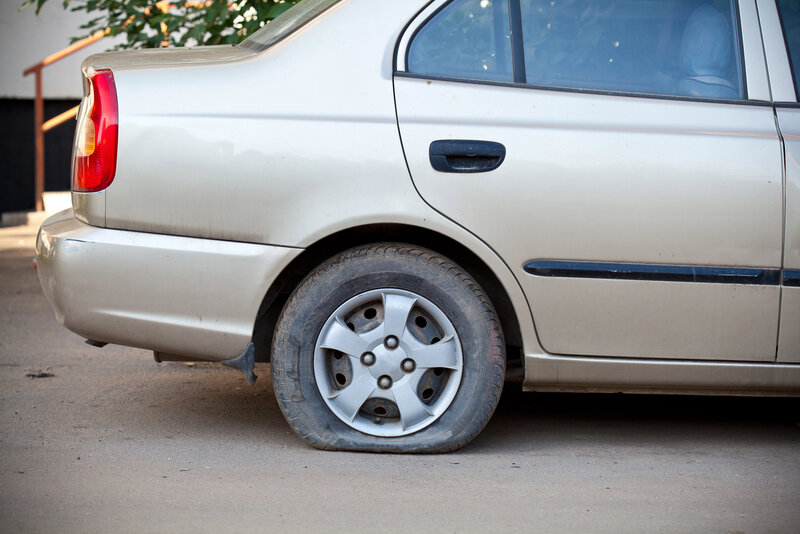
You’ve probably seen those tire sealant cans at auto parts stores, promising a quick fix for your flat tire. While they might seem like a convenient solution when you’re stranded on the road, these products can create more problems than they solve. From damaging your tire’s sensitive monitoring systems to potentially causing dangerous chemical reactions, sealants pose risks you won’t discover until it’s too late. Before you reach for that seemingly simple solution, you’ll want to understand why automotive professionals strongly advise against using these temporary fixes and what safer alternatives are available.
While tire sealant may seem like a quick fix for a flat tire, it can lead to serious problems that aren’t immediately obvious. You’re risking damage to your tire’s valve if the sealant isn’t applied correctly, which can prevent proper inflation and compromise your tire’s performance.
The goo-like substance often distributes unevenly, causing uncomfortable vibrations while you drive. Using sealant can clog TPMS sensors and require expensive professional cleaning.
What’s more, you’ll face compatibility issues if you have quiet tires, as the sealant can be absorbed by the foam and make the tire irreparable.
Even though modern sealants aren’t flammable like their older counterparts, you’ll still need to handle them carefully. Exposure to extreme temperatures or direct sunlight can affect their effectiveness, and improper use can create hazardous conditions that put your safety at risk.
Before reaching for tire sealant, you need to understand that not all tires are designed to work with these products.
If you’re using tubeless tires, adding sealant with inner tubes can clog valve stems and make inflation difficult. You’ll also risk compromising your tire’s tubeless-ready certification. Dried sealant residue can be extremely difficult to clean and remove.
Different sealants interact uniquely with various tire types.
For instance, latex-based and ammonia-free formulations perform differently in tubeless setups versus those with tubes. That’s why manufacturers like Slime offer specific formulations for each application.
If you’re using Stan’s sealant, you’ll need removable valve cores.
Don’t skip checking your manufacturer’s recommendations - they often provide essential guidance about sealant compatibility.
You’ll need regular maintenance too, including monitoring sealant levels and checking for proper tire bead seating.
Tire sealant’s convenience comes at a messy price. When it dries inside your tire, you’ll face a time-consuming cleanup process that requires patience and careful attention.
While you can use a natural rubber eraser or wire to remove dried sealant, you risk damaging your tire if you’re not gentle.
Even with liquid sealant, you’ll need to deal with the mess. The sealant is non-toxic and safe to handle during cleanup. You can clean it up using cold water and rags, but scrubbing the rim thoroughly might require soapy water.
To minimize future headaches, you’ll want to maintain your sealant regularly before it dries completely. Using the valve stem for replacement and keeping up with maintenance will help prevent the worst messes.
Consider that some sealants dry differently than others - those forming thin, crusty skins are typically easier to clean.
Your attempt to fix a flat tire with sealant could lead to dangerous chemical reactions between the sealant and tire materials, potentially causing explosive results.
Regular inspections and maintenance can prevent many emergencies that lead to risky DIY repairs.
You’re putting yourself at serious risk by using sealants, which can create volatile pressure buildups inside the tire during the repair process.
Taking your vehicle to a professional tire repair shop guarantees proper safety protocols and eliminates these dangerous risks while protecting both you and your vehicle.
Three critical factors make tire sealants a serious explosion hazard during repairs.
First, many sealants contain highly flammable gases like propane, butane, or isobutane.
Second, even after you’ve inflated your tire with air multiple times, the concentration of these flammable gases can remain within the explosive range.
Third, common repair activities, such as using reamers or welding, can create sparks that ignite these gases.
Thousands of cans of dangerous tire inflators remain available in stores despite known risks.
You’re putting yourself and repair technicians at risk when you use flammable sealants.
The consequences can be devastating - from severe burns to blindness and life-threatening injuries.
To protect yourself, only use non-flammable sealants from reputable brands, and always tell your repair technician if you’ve used a sealant.
Better yet, skip the sealants entirely and have your tire properly repaired at a professional shop.
Beyond the risk of explosions, chemical reactions pose another serious threat during tire repairs.
When you use aerosol sealants, you’re introducing volatile chemicals that can trigger pyrolysis - a dangerous breakdown process that occurs at temperatures as low as 185°C. This reaction doesn’t need oxygen and can continue even after removing the heat source.
What makes this particularly hazardous is that you’re working with tires containing over 400 different chemicals and compounds, many of which are carcinogenic. Research has shown that tire chemicals like 6PPD preservative can create toxic byproducts when exposed to environmental factors.
When these substances interact with sealants or become overheated, they can create toxic byproducts. You won’t always see visible warning signs before a dangerous reaction occurs.
That’s why it’s essential to follow manufacturer guidelines, use proper safety equipment, and avoid quick-fix solutions like sealants that could compromise your safety.
While sealants might seem like a quick fix for a flat tire, professional repairs are essential to prevent serious accidents and long-term damage.
When you opt for DIY repairs or sealants, you’re risking your safety and potentially damaging your vehicle’s tire pressure monitoring system (TPMS) sensors. Sealants create significant tire vibrations that make driving dangerous.
Professional technicians follow industry standards that include demounting the tire, thoroughly inspecting for damage, and performing combination repairs with both plugs and patches.
They’ll also properly clean any sealant residue that could interfere with wheel balancing or cause vibrations.
Don’t risk using patch-only or plug-only repairs - they’re unsafe and can allow moisture to seep into your tire.
Rather than reaching for tire sealant when you get a flat, several more reliable alternatives can keep you safely on the road. Your best option is to use a spare tire, which can handle any type of damage and provides a complete fix without requiring special tools or equipment.
If you don’t have a spare, consider professional tire repair services that will restore your tire to its original condition using specialized tools and expertise.
For cyclists, tubeless tire systems offer self-sealing capabilities and long-lasting protection, especially with high-quality sealants like Silca Ultimate. Most cyclists rely on tire plugs over sealants for immediate puncture repairs on the road.
You can also carry plug and boot kits for immediate repairs of larger punctures - they’re mess-free, work on various tire types, and don’t require waiting for sealants to dry.
Traditional tire sealants pose three significant environmental hazards that extend beyond their immediate use.
First, they’re composed of chemicals that can harm the environment when improperly disposed of, contributing to soil and water contamination.
Second, they often lead to premature tire damage, forcing you to replace tires more frequently and increasing the environmental burden of tire production.
Third, they can damage tire pressure sensors, leading to undetected low pressure and increased fuel consumption. Switching to eco-friendly sealants could help save 820,000 kg of CO2 if adopted by one million cyclists.
You’ll find eco-friendly alternatives, like Muc-Off, that offer better environmental solutions.
These sustainable sealants reduce your carbon footprint by 19% on average, use recycled materials, and actually extend tire life.
They’re also available in refill formats to minimize plastic waste, making them five times more environmentally beneficial than their manufacturing impact.
Your flat tire’s size and depth will determine if a sealant can work, as most products can only handle holes up to 4 millimeters in diameter.
You’ll find that temperature plays an essential role in sealant performance, with extreme heat or cold affecting how well the product flows and seals. Temporary repairs only should be addressed promptly with professional tire service.
Whether you’re dealing with a motorcycle tire or a truck tire, the size limitations and temperature sensitivity of sealants make them unreliable for serious tire damage.
Three key factors determine whether a tire sealant will work effectively: the size of your tire, the amount of sealant used, and the type of damage.
You’ll need to match the sealant amount precisely to your tire size - generally 2 ounces for road tires and up to 4 ounces for larger mountain bike tires.
But don’t assume these guidelines work for every situation. Your tire’s specific dimensions and casing style can affect how much sealant you’ll need.
While manufacturers like Stan’s offer detailed charts, others provide only broad recommendations. This inconsistency makes it challenging to determine the right amount for unique sizes like gravel tires.
Because temperature plays an essential role in how tire sealants perform, you’ll need to take into account the climate before relying on them for repairs.
In extreme cold, around -20°C (-4°F), sealants can freeze or stiffen, making them ineffective at sealing punctures. While some brands offer special sub-zero formulations, most standard sealants won’t work well in these conditions.
High temperatures aren’t any better for sealant performance. The heat can cause chemical changes that degrade the product, particularly in latex-based formulas that may cure and become insoluble.
You’ll find that these changes can happen within days or months, depending on conditions. Additionally, temperature fluctuations can accelerate the breakdown process, leaving you with a messy, ineffective substance that’s difficult to clean out of your tire.
While tire sealants might seem like a quick fix for a flat, they pose serious risks of permanent damage to your tires. Both glycol and latex-based sealants can trigger destructive chemical reactions within your tire’s structure. Glycol-based products will oxidize and separate tire plies, while latex varieties corrode rubber and steel belts - both leading to dangerous tire failure.
You’ll face more than just structural issues. These chemicals can break down your tire’s rubber compounds over time, potentially causing sidewall damage and increasing your risk of blowouts.
What’s worse, once you’ve used sealants, you’ll likely void your tire warranty, leaving you responsible for costly replacements. The residue can also interfere with wheel alignment and tire pressure sensors, creating ongoing performance problems that aren’t easily fixed.
As automotive technology evolves, modern vehicles now offer sophisticated tire solutions that outperform traditional fixes like sealants.
You’ll find innovations like Michelin’s EverGrip technology, which maintains road-holding performance even as tires wear down, and Pirelli’s digital tires that collect data to optimize performance.
Self-sealing tires, featuring compounds like Dow’s SILASTIC SST-2650, allow you to continue driving safely after a puncture.
While 40% of new cars don’t include spare tires, you can opt for engineered spare tire kits specifically designed for modern vehicles. These kits provide a reliable solution that’s both lightweight and capable of handling longer distances.
For maximum preparedness, you should familiarize yourself with your vehicle’s tire system and consider having a proper spare tire kit rather than relying solely on sealants.
Professional tire repair offers significant advantages over temporary fixes, making it the smarter choice for your safety and wallet.
While you might be tempted to use a sealant or plug kit for a quick fix, these solutions aren’t designed for long-term use and can actually cause more problems down the road.
When you choose professional repair, you’ll get trained technicians who use specialized equipment to properly assess and fix the damage.
They’ll check for internal issues that aren’t visible from the outside and guarantee repairs meet industry standards.
You’ll also receive a warranty on the work, protecting your investment.
Don’t risk your safety with temporary solutions that could lead to blowouts or further tire damage - professional repairs are your best defense against future tire problems.
