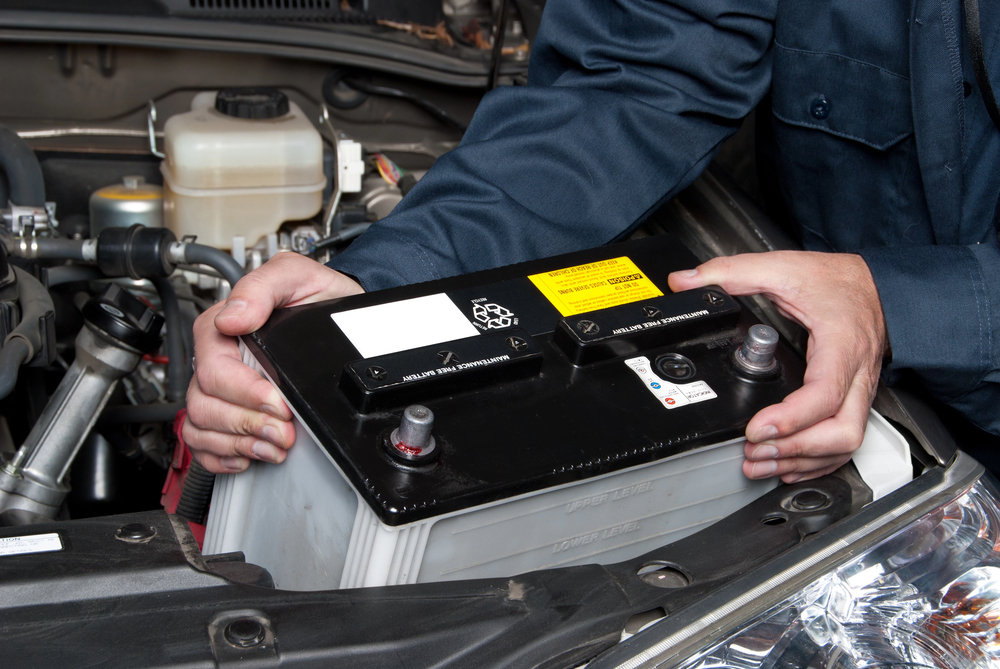
Your car’s battery serves as the lifeblood of your vehicle, yet you’ll likely face the frustration of a dead battery at some point in your driving career. While you might assume leaving your lights on is the main culprit, numerous hidden factors can silently drain your battery’s power. From weather conditions that strain your charging system to subtle electrical gremlins that feed off your battery even when your car’s turned off, understanding these common causes won’t just save you from being stranded—it’ll help you prevent future battery failures and extend your battery’s life.
When your car battery continuously drains, a faulty alternator is often the culprit. Your alternator’s internal components, like diodes and rectifiers, can malfunction and allow current to flow back to the battery even when your engine is off. Oil contamination can accelerate alternator damage and diode failure. Worn brushes and a failed voltage regulator can also prevent proper battery charging.
You’ll notice signs of alternator problems through inadequate charging, electrical system malfunctions, and dropping system voltage. If your alternator isn’t producing 13.5-14.5V, it can’t maintain your battery’s charge. Internal corrosion and extreme temperatures can worsen these issues.
To confirm if your alternator is causing the drain, you can perform a battery drain test by removing the alternator fuse or checking for AC voltage at the battery terminals. If you spot these problems, consult a mechanic for proper diagnosis and repair.
Your car’s electrical system can harbor hidden power drains that steadily deplete your battery even when the vehicle is turned off.
Components like malfunctioning interior lights, faulty computer modules, and improperly installed accessories often create these parasitic drains without any obvious signs.
While some security features like car alarms naturally use small amounts of power, an overactive system can drain your battery much faster than normal. Normal current draw should stay below 100 milliamps when the vehicle is off.
Even when your car is turned off, various electronic systems continue drawing small amounts of power from the battery, creating what’s known as parasitic drain.
While some power draw is normal to maintain security systems and onboard data, excessive drain can quickly deplete your battery.
Hidden drains often come from faulty accessories, malfunctioning relay switches, or electronic modules that don’t enter sleep mode properly.
Regular checks reveal that door and trunk openings can significantly contribute to battery depletion through repeated system activation.
Your car’s security system and various sensors can also contribute to unexpected power consumption.
To identify these issues, you’ll need to measure the current draw using a multimeter, looking for readings that don’t decrease to normal levels after the car’s systems should have powered down.
If you notice your battery frequently dying, don’t wait - have a professional diagnose the problem to prevent permanent battery damage.
Several electrical components in modern vehicles, including alternators, starters, and control modules, can develop faults that lead to parasitic power drains.
Your car’s alarm system, radio, or power windows might continue drawing power even when your vehicle is turned off. These malfunctioning accessories can steadily drain your battery without you noticing. Extreme temperatures can worsen these electrical drains and significantly reduce battery performance.
Short circuits from damaged wiring or improper contact between electrical components can create unwanted paths for electricity to flow directly to the ground.
If you’ve installed aftermarket accessories, they might also be causing battery drain if they weren’t properly installed.
To prevent these issues, you should regularly inspect your electrical systems, verify all connections are secure, and consider using a battery disconnect switch when parking your car for extended periods.
Modern vehicle security systems can be a leading source of battery drain when they become overactive or malfunction. If your car alarm’s sensitivity is set too high, it’ll trigger frequently from minor disturbances, constantly drawing power from your battery. This continuous power consumption occurs even when your vehicle is turned off.
Regular battery voltage monitoring can help detect early signs of excessive power drain. You’ll need to address several factors to prevent security-related battery drain. Start by adjusting your alarm’s sensitivity settings to reduce false triggers.
Check for proper installation, as poorly installed security features can cause electrical faults. If you’ve added extra security accessories, consider disabling unused features to minimize power draw.
Environmental conditions like extreme temperatures can worsen the situation, especially with an older battery or during periods of infrequent vehicle use.
Your car battery takes a beating from extreme temperatures throughout the year.
During winter months, cold weather slows chemical reactions and makes it harder for your battery to deliver sufficient power to start the engine.
Summer heat accelerates chemical reactions and internal corrosion, causing your battery to lose charge more quickly and reducing its overall lifespan. These conditions can lead to increased self-discharge rates when the vehicle sits unused.
When winter temperatures plummet, your car’s battery faces significant challenges that can drain its power and reduce its performance. The cold slows down essential chemical reactions inside your battery, making it harder for it to produce electrical energy. A fully charged battery will drop to about 66% cranking power at 9°C.
You’ll notice this most when starting your car, as the battery must work against increased internal resistance while trying to turn over an engine with thickened oil.
Your battery’s capacity can drop by 30-60% in freezing conditions, and it’ll have trouble holding a charge.
What’s worse, winter demands more power for heaters and lights, putting extra strain on an already struggling battery.
To protect yourself from failures, you should consider using a battery blanket, upgrading to a higher CCA-rated battery, and taking longer drives to guarantee proper recharging.
While cold weather poses significant challenges for car batteries, extreme heat can be even more destructive. When under-hood temperatures reach 140°F or higher, your battery’s internal structure begins to deteriorate. The ideal temperature range for optimal battery performance is 70 to 80 degrees.
Heat accelerates chemical reactions inside the battery, causing faster discharge and premature aging. You’ll notice corrosion building up more quickly on terminals, and the electrolyte liquid can evaporate.
You can protect your battery by parking in shaded areas and taking regular 20-minute drives to maintain proper charge.
Installing a trickle charger during periods of inactivity and choosing batteries with higher reserve capacity will help combat heat damage.
Despite proper maintenance, car batteries inevitably reach the end of their lifespan after three to five years of service.
You’ll notice several warning signs when your battery’s getting old: dim headlights, visible corrosion on terminals, and difficulty holding a charge that leads to frequent jumpstarts.
Natural degradation occurs through a process called sulfation, which reduces your battery’s effectiveness over time.
Storing in garages can help protect your battery from temperature extremes that accelerate aging.
If you’re frequently taking short trips, you’re not giving your alternator enough time to fully recharge the battery, which accelerates its aging.
When you spot these signs, don’t wait - get a professional diagnostic test to confirm if it’s time for replacement.
Regular inspections of terminals and connections can help you track your battery’s condition, but once it’s showing multiple aging symptoms, replacement is often your best solution.
Many car owners unknowingly damage their batteries through poor maintenance habits that could easily be avoided. If you’re not following proper charging practices or using incorrect chargers, you’ll greatly reduce your battery’s lifespan. Using distilled water is crucial when topping off low battery fluid levels to prevent electrolyte dilution.
Regular inspection is essential - ignoring corrosion buildup, loose terminals, or low fluid levels can prevent your battery from functioning at its best.
Your daily driving habits also play an important role. Short trips don’t allow enough time for your battery to recharge fully, and leaving accessories on while the engine’s off quickly drains power.
Don’t forget about environmental factors - extreme temperatures can harm your battery, while improper storage conditions accelerate deterioration.
Remember to clean terminals properly using baking soda and water, and always replace batteries that no longer hold a charge.
Your car’s electrical system can suffer from various malfunctions that drain the battery, with faulty alternators being one of the most common culprits.
When your alternator isn’t working properly, it won’t charge your battery effectively while you’re driving, and in some cases, it can actually draw power from the battery even when your car is off.
Other electrical components like radios, alarm systems, and interior lights can also drain your battery if they’re defective or don’t shut off completely when you turn off your vehicle.
When an alternator fails to charge your car’s battery properly, it can trigger a chain of electrical problems throughout the vehicle.
You’ll notice warning signs like dim headlights, slow engine cranking, and an illuminated battery warning light on your dashboard.
Several issues can prevent your alternator from delivering the required 13.5 to 14.5 volts to your battery.
These include bad diodes in the rectifier, worn brushes, corroded connections, a failed voltage regulator, or a broken serpentine belt.
If left untreated, these problems will drain your battery, potentially leaving you stranded.
To prevent alternator-related battery drain, have your charging system inspected regularly.
Keep electrical connections clean, avoid frequent short trips, and replace your alternator when necessary.
This maintenance can save you from costly repairs and unexpected breakdowns.
Electrical system malfunctions rank among the leading causes of unexpected battery drain in modern vehicles. If you’re experiencing battery issues, several faulty components could be to blame.
Short circuits caused by crimped or corroded wiring can create unwanted power drains, while malfunctioning accessories like radios and alarm systems might continue drawing current even when your car’s turned off.
Your car’s aging or corroded wiring can also lead to parasitic drain, and corroded battery terminals can prevent proper charging.
Software glitches and manufacturing defects in various components might cause electrical systems to behave erratically. To identify the source of the problem, you’ll need to check individual components by pulling fuses or disconnecting accessories.
Regular inspection of your car’s wiring and electrical systems can help prevent these issues from developing.
Many drivers have experienced the sinking feeling of discovering their car won’t start because they left the interior lights on overnight.
With most car batteries having a 45 Ah capacity at 12 volts, two 10-watt interior bulbs can completely drain your battery in about 27 hours, though this time can be shorter in cold weather.
If you find yourself with a dead battery, you’ll need a jump start using jumper cables from another vehicle.
After successfully starting your car, drive for 10-20 minutes to help recharge the battery.
To prevent this issue, always check your interior lights before leaving your vehicle, and maintain your battery by regularly inspecting connections for corrosion.
If your battery frequently dies, consider having your electrical system checked by a professional.
Modern car security systems can be a hidden source of battery drain, much like those forgotten interior lights. When these systems aren’t installed correctly or develop faults, they can silently drain your battery through parasitic power consumption.
Your security system might be drawing excessive power if it’s been improperly installed or has malfunctioning components. Common signs include unexplained battery drainage and electrical issues.
Even when your car’s turned off, a faulty system can continue consuming power, steadily depleting your battery’s charge.
If you’re experiencing frequent battery issues, have a qualified technician check your security system’s installation and components. They can identify whether it’s drawing more power than it should.
Remember that older or weakened batteries are particularly vulnerable to these problems, so maintaining your battery’s health is essential for preventing security system-related drainage.
While replacing a car battery might seem straightforward, improper installation can lead to serious electrical system damage and safety hazards. If you don’t follow the correct connection sequence or fail to secure the battery properly, you’ll risk short circuits and system malfunctions.
You’ll need to confirm you’re using a battery that’s compatible with your vehicle’s specifications, including the right voltage rating and terminal size.
Don’t skip essential safety precautions like wearing protective gear and removing jewelry before installation. Working in well-ventilated areas is vital to prevent gas accumulation.
After installation, you must check for blown fuses, verify proper seating, and test the electrical system.
Any signs of smoke or burning during the process require immediate attention, as they could indicate serious damage to your vehicle’s electrical components.
Corroded battery terminals pose one of the most common yet preventable threats to your car’s electrical system.
When corrosion builds up on your terminals, it creates resistance that disrupts the flow of electricity, making it harder for your car to start and potentially draining your battery faster than normal.
You’ll notice this corrosion as a white, green, or bluish buildup around your battery terminals.
It’s caused by chemical reactions between the metal and battery acid, made worse by moisture and hydrogen gas.
If you don’t address it quickly, corrosion can damage your cables and terminals beyond repair.
To prevent this drain on your battery, regularly check for corrosion signs, clean your terminals with a baking soda solution, and apply dielectric grease for protection.
Proper charging practices also help minimize corrosion development.
