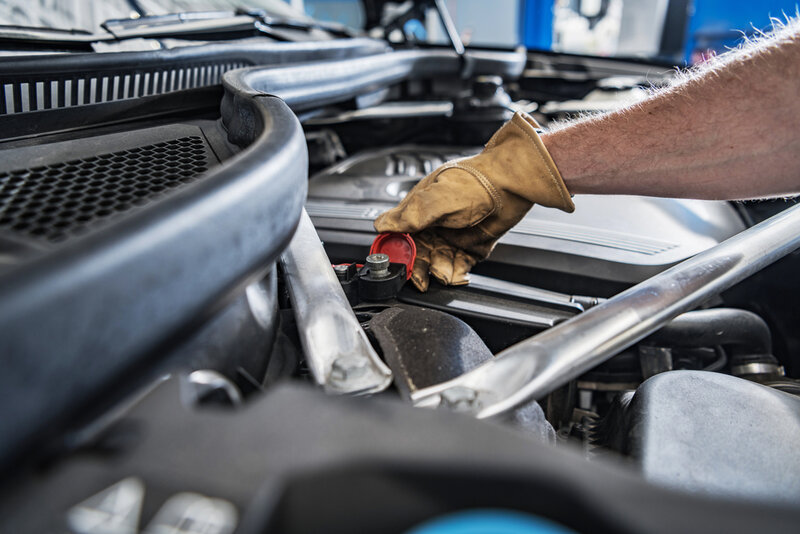
Your car’s electrical system can seem like a mystery when things start to go wrong. You’ll notice the first signs when your lights dim unexpectedly, your engine struggles to turn over, or mysterious warning lights appear on your dashboard. While these symptoms might tempt you to head straight to a mechanic, understanding the basics of automotive electrical systems can save you time and money. With some basic knowledge and a few simple tools, you’ll be able to identify and potentially fix many common electrical issues before they become major problems.
While modern vehicles have become increasingly sophisticated, their electrical systems still rely on a few fundamental components working together.
Your car’s electrical system centers around the battery, which provides the initial power needed to start your vehicle and run accessories. The alternator takes over once the engine’s running, generating power to charge the battery and operate electrical components. Meanwhile, the starter motor uses the battery’s power to turn over the engine when you start your car.
Throughout your vehicle, a network of wiring and sensors connects these core components to various systems. These include your lights, entertainment system, and critical safety features like ABS and airbags. Regular monitoring and maintenance of these systems helps prevent major electrical failures that could compromise vehicle performance.
Your car’s ECU acts as the brain, monitoring and controlling these systems to guarantee everything runs smoothly and efficiently.
Your car’s electrical system can show several telltale signs when something’s not right. Watch for dimming or flickering lights, both inside and outside your vehicle, as they often signal a failing alternator or weak battery.
If your power windows move slowly or your radio cuts out intermittently, you’re likely dealing with electrical issues.
Pay attention to starting problems and unusual noises when you turn the key. Clicking or grinding sounds typically point to starter or battery troubles. Regular electrical system inspections help prevent performance issues and safety risks.
You’ll also want to note any burning smells, blown fuses, or dashboard warning lights, as they indicate serious electrical concerns.
Don’t ignore these symptoms, as they can lead to bigger problems. If your accessories malfunction or you experience sudden power loss while driving, get your vehicle checked immediately.
A well-stocked diagnostic toolkit forms the foundation of electrical troubleshooting in modern vehicles.
You’ll need basic tools like multimeters to measure voltage and resistance, circuit testers to identify faults, and battery testers to assess power source health. An OBD-II scanner is essential for reading error codes and monitoring real-time data.
For more complex issues, you should consider advanced equipment like oscilloscopes to analyze voltage waveforms and amp clamps to measure current flow. Wire strippers and crimpers enable precise connections for secure electrical repairs.
Professional-grade scan tools offer extensive diagnostics and live data monitoring. Don’t forget specialty tools like terminal tools and soldering irons for repair work.
Integrated diagnostic solutions, such as the Autel PowerScan PS100 or Foxwell NT809BT, combine multiple functions into single units, making troubleshooting more efficient and accurate.
When electrical problems arise in your vehicle, understanding common repair procedures can save time and money.
Start by checking your battery if you’re experiencing starting issues - test the voltage with a multimeter and look for readings below 12 volts. Clean terminals and connections if they’re corroded. Remember to always disconnect battery terminals before attempting any electrical repairs.
For alternator problems, you’ll want to test the output while the engine’s running. Look for voltage readings between 13.5 and 14.5 volts. If your headlights are dim or voltage exceeds normal range, you may need to replace the alternator or voltage regulator.
Don’t forget to inspect fuses and wiring regularly. Replace blown fuses, repair damaged wires, and check for corrosion.
Pay special attention to ground connections - they’re often the culprit behind electrical issues. Test them with an ohmmeter and repair any loose or corroded straps.
Regular electrical system maintenance can prevent costly breakdowns and extend your vehicle’s lifespan.
You’ll want to check your battery voltage with a multimeter and clean its terminals using a wire brush and baking soda solution. Make sure all connections are tight and secure.
Don’t forget to inspect your alternator belt for wear and keep all electrical components properly mounted. ASE certified mechanics should perform complex electrical repairs.
Watch for warning signs like slow engine cranking or dim lights, which could indicate battery problems. Check fuses and circuit breakers regularly for signs of damage or overheating.
Follow your manufacturer’s maintenance schedule and clean electrical components to prevent corrosion.
If you notice unusual smells, sounds, or warning lights, don’t hesitate to seek professional help.
Remember to replace your battery every few years or when voltage drops below 12.4 volts.
