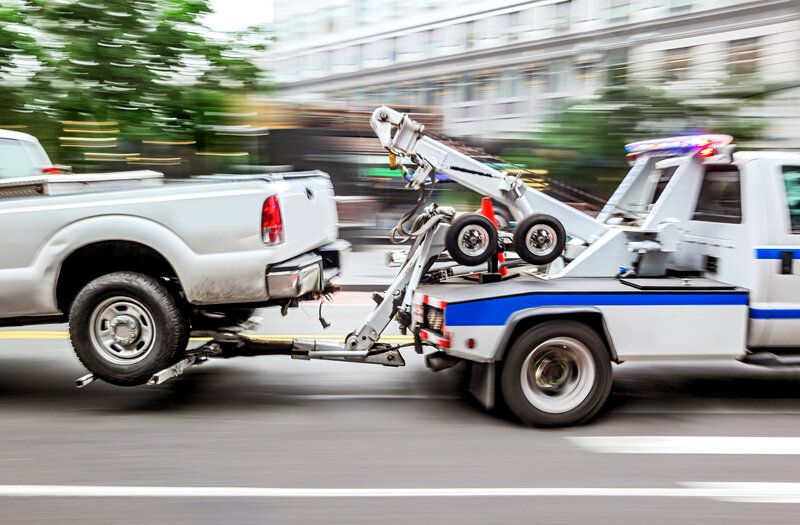
When you’re facing a vehicle breakdown, knowing whether your car can be safely towed by a wheel lift tow truck isn’t just about convenience—it's about protecting your investment. You’ll need to consider several essential factors, including your vehicle’s drive system, weight, and specific manufacturer guidelines, before allowing a tow truck to lift your wheels off the ground. While wheel lift towing is a common method, using the wrong approach could lead to severe transmission damage or worse. Let’s examine what determines if this towing method is right for your vehicle.
When it comes to safely towing your vehicle, wheel lift towing offers one of the most reliable methods available. This system uses a hydraulic mechanism with a metal yoke that’s positioned under either your front or rear wheels, depending on your car’s drivetrain. This popular method is cost-effective for drivers compared to flatbed towing services.
If you’ve got a front-wheel-drive car, the tow truck operator will lift your front wheels, while rear-wheel-drive vehicles are lifted from the back.
Once the operator assesses your car’s condition and determines the best attachment point, they’ll position the wheel lift mechanism and secure your vehicle with straps or chains.
The hydraulic system then raises your wheels off the ground, ensuring they won’t make contact with the road during transport. This efficient process helps prevent damage to your vehicle while maintaining safety throughout the towing operation.
Before you consider towing your vehicle, it’s crucial to understand that different vehicle types require specific towing approaches.
Your car’s drive system is the key factor in determining if a wheel lift tow truck is safe. If you’ve got a two-wheel drive vehicle, you’re generally good to go with wheel lift towing. However, if you’re driving an AWD or 4WD vehicle, you’ll need dollies to prevent transmission damage. Hidden wheel lifts remain concealed under the pickup truck when not actively towing vehicles.
Most Ford F-Series, GMC/Chevy pickups, and Ram trucks (except 2015+ 2500 series) are compatible with wheel lift towing.
If your vehicle has air suspension or complex systems, wheel lift towing can actually be beneficial. Just remember to check your owner’s manual for specific guidelines, as some luxury vehicles and specialized models may have unique requirements.
Three essential safety features guarantee your car can be towed securely.
First, the wheel lift’s metal yoke must have a minimum lifting capacity of 3,000 pounds and use proper straps or chains to secure your vehicle.
Second, all cables must be at least 3/8 inch in diameter and in good working condition, while tires need to meet manufacturer specifications with proper inflation.
Advanced hydraulic systems enable smooth and controlled lifting operations during towing.
Your tow truck operator should be specially trained and use in-cab controls when possible to reduce risk.
They’ll need to verify your car’s weight against the truck’s working load limits, which are typically one-third of the breaking strength rating.
The truck must also carry safety accessories like traffic cones, brooms, and shovels to handle roadside situations safely.
Understanding common towing risks helps protect your vehicle and guarantees roadside safety.
You’ll face several key hazards during towing operations, including equipment failure, loading challenges, and visibility issues. If your tow rope or chain isn’t properly secured, it can strain vehicle components and cause a loss of control.
During loading and unloading, heavy forces can damage your vehicle if proper procedures aren’t followed. Professional tow companies should be hired for safe vehicle transport.
Weather conditions like rain, snow, or fog greatly increase risks and require extra precautions, including specialized mirrors and pre-arranged signals.
You’ll need to watch for operational challenges too—sharp turns can lead to collisions, and improper towing methods may damage your car’s brake system, suspension, and drivetrain.
Always verify the tow truck uses appropriate equipment and follows weight limitations to prevent instability and handling problems.
Proper preparation is essential when getting your car ready for towing. First, you’ll need to remove all personal belongings from your vehicle to prevent loss or damage.
Take detailed photos of your car’s condition from multiple angles before the tow truck arrives to document any existing damage.
Make certain you know your vehicle’s drive type (FWD, RWD, or 4WD) as this affects the towing method needed. Check your owner’s manual for specific towing requirements and weight capacity limits. For optimal safety and efficiency, conduct a thorough vehicle inspection before towing begins.
Inspect your tires for proper inflation and confirm all fluids are at appropriate levels.
If you’re using a trailer, verify that safety chains and straps are secure, and confirm that all lights are properly synchronized between your vehicle and the towing equipment.
When selecting a professional towing service, you’ll need to evaluate several critical factors to guarantee your vehicle’s safety.
Look for companies with a wide coverage area, extensive industry experience, and quick response times. A commitment to providing 24/7 availability ensures you’ll never be stranded during emergencies. Make sure they’re certified, insured, and maintain their equipment regularly.
Check online reviews and customer feedback to assess their reputation. You’ll want a company that’s transparent about pricing and offers various services beyond basic towing.
Their operators should be properly certified and equipped with the right tow trucks for your specific vehicle needs.
Don’t forget to verify they follow strict safety protocols and use appropriate equipment like safety chains and recovery straps.
A professional service will know whether your car requires flatbed towing or can be safely transported using a wheel lift system.
Safe and legal towing requires strict adherence to numerous equipment regulations and state-specific guidelines.
You’ll need to verify your vehicle has the proper hitch type, synchronized lights and brakes, and safety chains that meet the required load limits. Additionally, you must stay within the Gross Vehicle Weight Rating (GVWR) for your specific setup.
Each state has different rules about towing speeds, trailer dimensions, and brake system requirements. You’ll need to maintain greater stopping distances and slower speeds than regular driving. Regular inspections of brake lights and signals are required by law before each tow.
Don’t forget to use wheel chocks during loading, and always position vehicles facing forward on dolly ramps to prevent dangerous swaying.
Some states require special permits for towing, particularly for heavy or oversized loads, so check your local regulations before proceeding.
